Authentic vs. Replica
Bags, Shoes, and Clothing:
Fashion, Access, and the Narrowing Gap
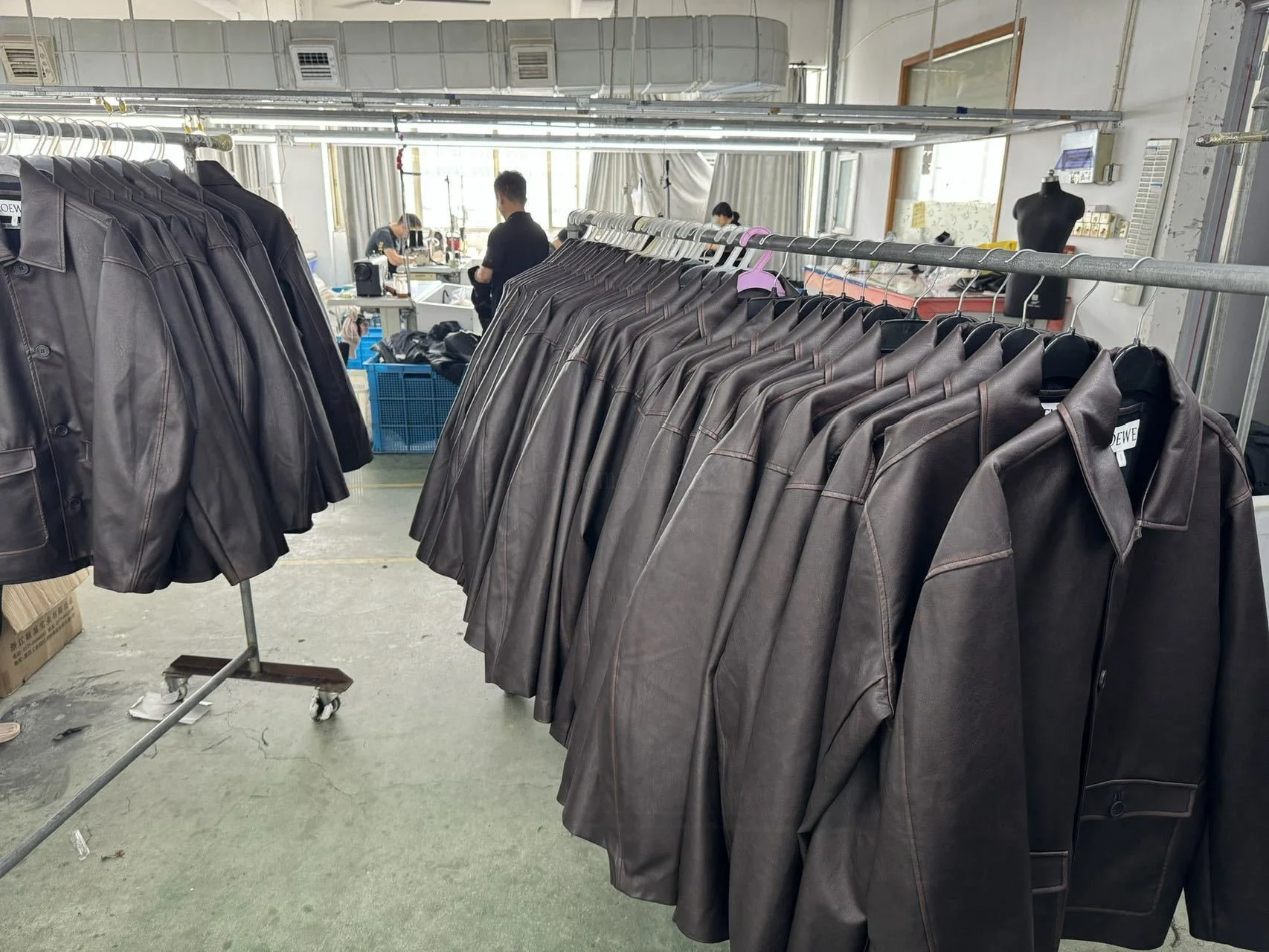
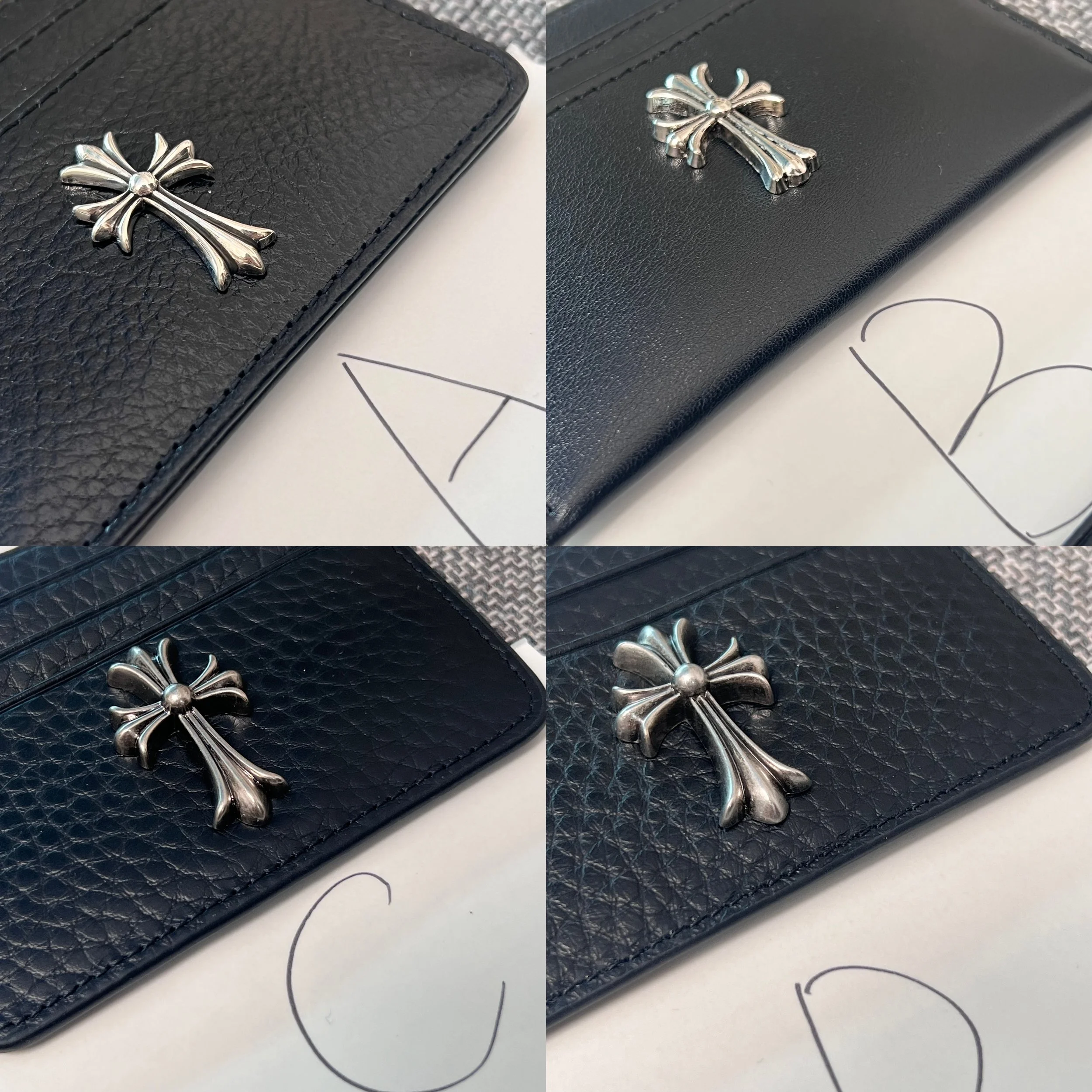
The conversation surrounding authentic and replica bags, shoes, and clothing has evolved dramatically over the last decade. As luxury fashion prices continue to climb, more consumers are questioning who designer fashion is truly for. At the center of this discussion lies the distinction between authentic luxury goods and replica alternatives—and why that gap is not always as wide as people assume.
Authentic items are produced or licensed by the original brand. They are sold through official boutiques, department stores, or approved retailers, and come with brand packaging, warranties, and resale recognition. For many buyers, authenticity carries emotional value: the heritage of the fashion house, the story of the designer, and the status associated with owning an official product.
Replica items, on the other hand, are designed to recreate the appearance of those same luxury products without authorization from the brand. In the past, replicas were often associated with poor craftsmanship, cheap materials, and obvious inaccuracies. Logos were misplaced, stitching was uneven, and the products were easy to identify as imitations.
That reality has changed considerably.
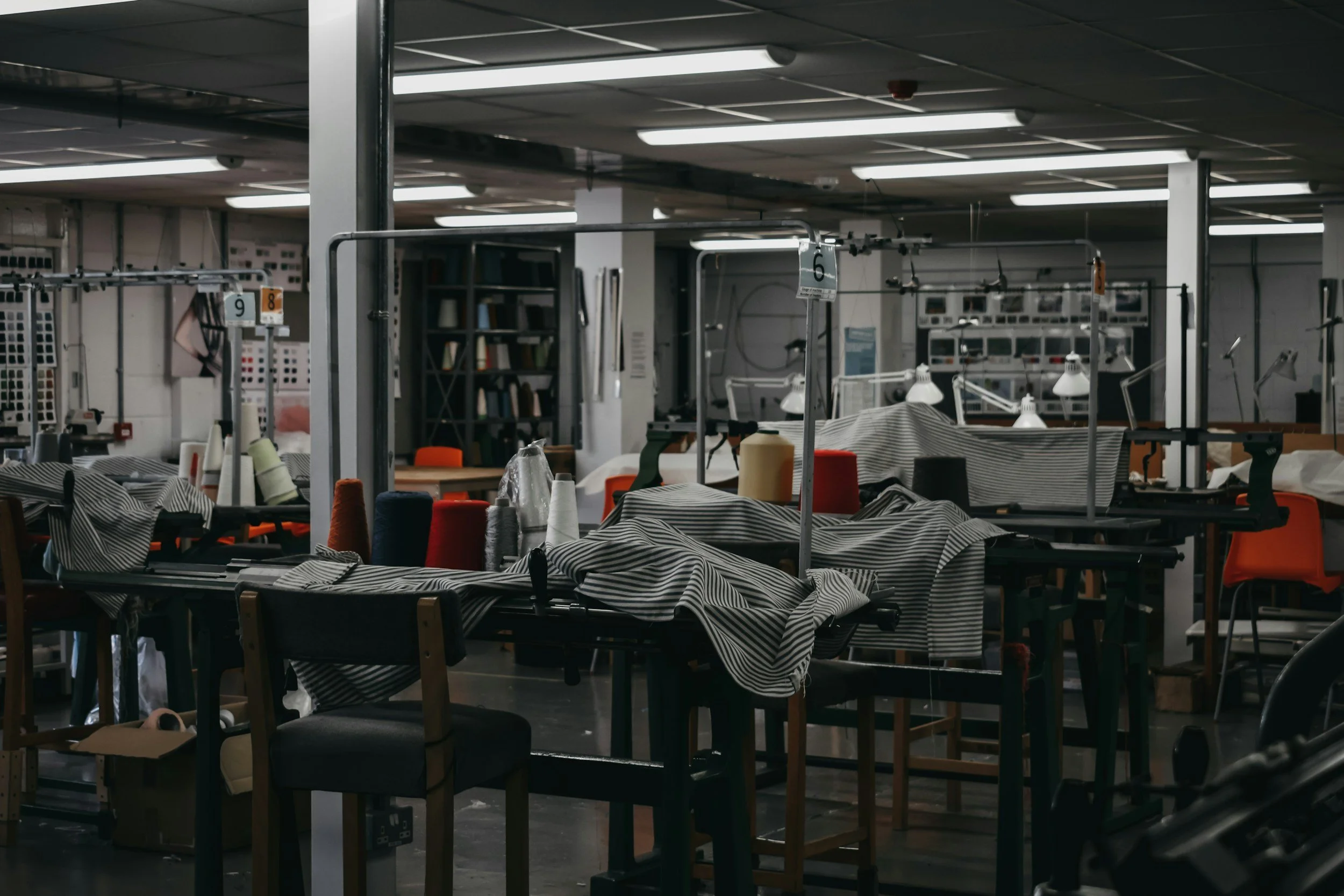
Over the years, many manufacturers in the replica market have invested heavily in advanced machinery, material sourcing, and production methods that allow them to recreate luxury goods to an increasingly high standard. Some factories use reverse engineering—carefully studying authentic items down to measurements, hardware weight, leather texture, stitching count, and construction methods in order to reproduce them with remarkable precision.
It is also worth noting that many luxury brands themselves outsource manufacturing or rely on global supply chains. While brand oversight, quality control, and design ownership remain important differences, the idea that every authentic luxury item is handcrafted exclusively in a romantic atelier is often more marketing narrative than reality. Modern fashion production, even at the highest levels, frequently depends on industrial manufacturing systems and third-party facilities.
Because of this, the quality gap between authentic and replica products has narrowed significantly. In some cases, replicas may still fall short in durability, consistency, or finishing details. But in other cases, certain high-tier replicas can appear nearly identical to retail versions to the untrained eye—and occasionally even to experienced buyers without side-by-side comparison.
This narrowing gap is one reason replicas continue to attract consumers. Luxury pricing has pushed many products into a level of exclusivity that feels inaccessible to average people. Bags costing several thousand pounds, trainers reselling at inflated prices, and clothing marked up far beyond production cost have created a market where aspiration often exceeds affordability.
Replicas, for many buyers, offer access to design and style without the extreme financial barrier. Supporters argue that fashion should be about expression and taste, not solely income level. In that view, replicas challenge an industry that often depends on scarcity, prestige, and exclusion.
Of course, authentic goods still retain advantages: official craftsmanship standards, resale value, customer service, warranties, and connection to the original brand. But the continued growth of the replica market reflects a larger truth—consumers are increasingly aware that branding and pricing do not always tell the full story of how products are made.